FULL FIBRE
Fibre into the home
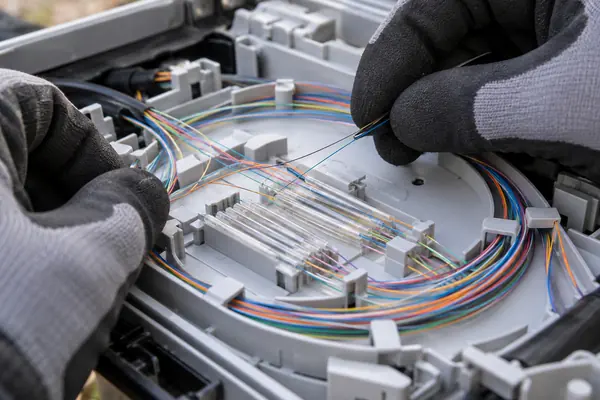
Ofcom says 'full fibre' should only describe networks with fibre-optic cable all the way from the exchange to the home.
Check your label doodleconnect
WHAT OFCOM SAYS
The word 'fibre' used to cover very different connections.
Check your label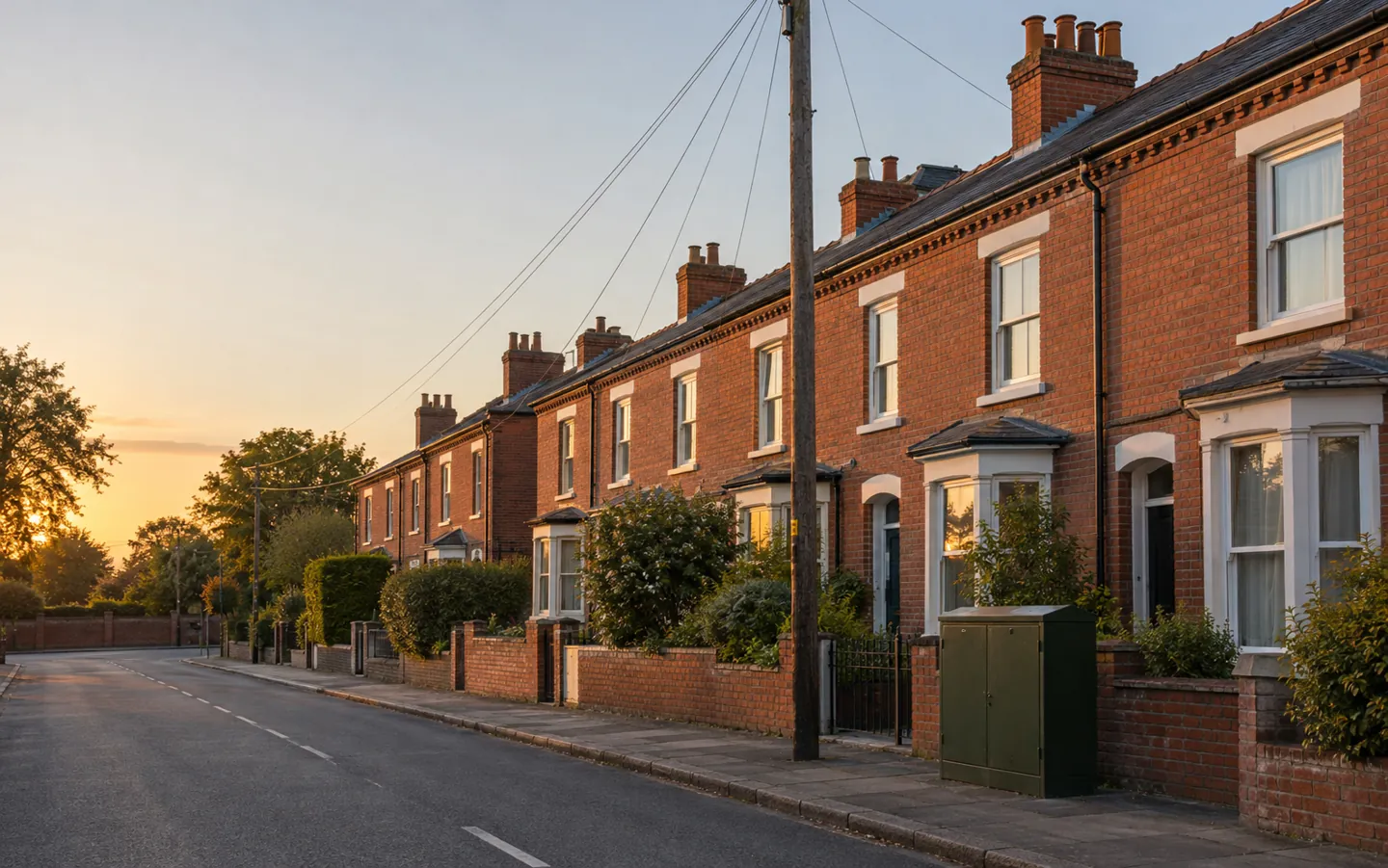
82%of UK homes can get full fibre
Since September 2024, Ofcom guidance says providers must tell you clearly whether a deal runs on full fibre, part fibre, copper or cable before you sign up. Here is what those words mean and where the UK has got to.
Updated
THE SHORT ANSWER
The label tells you how the last stretch reaches you.
Providers can no longer use 'fibre' on its own.
FULL FIBRE
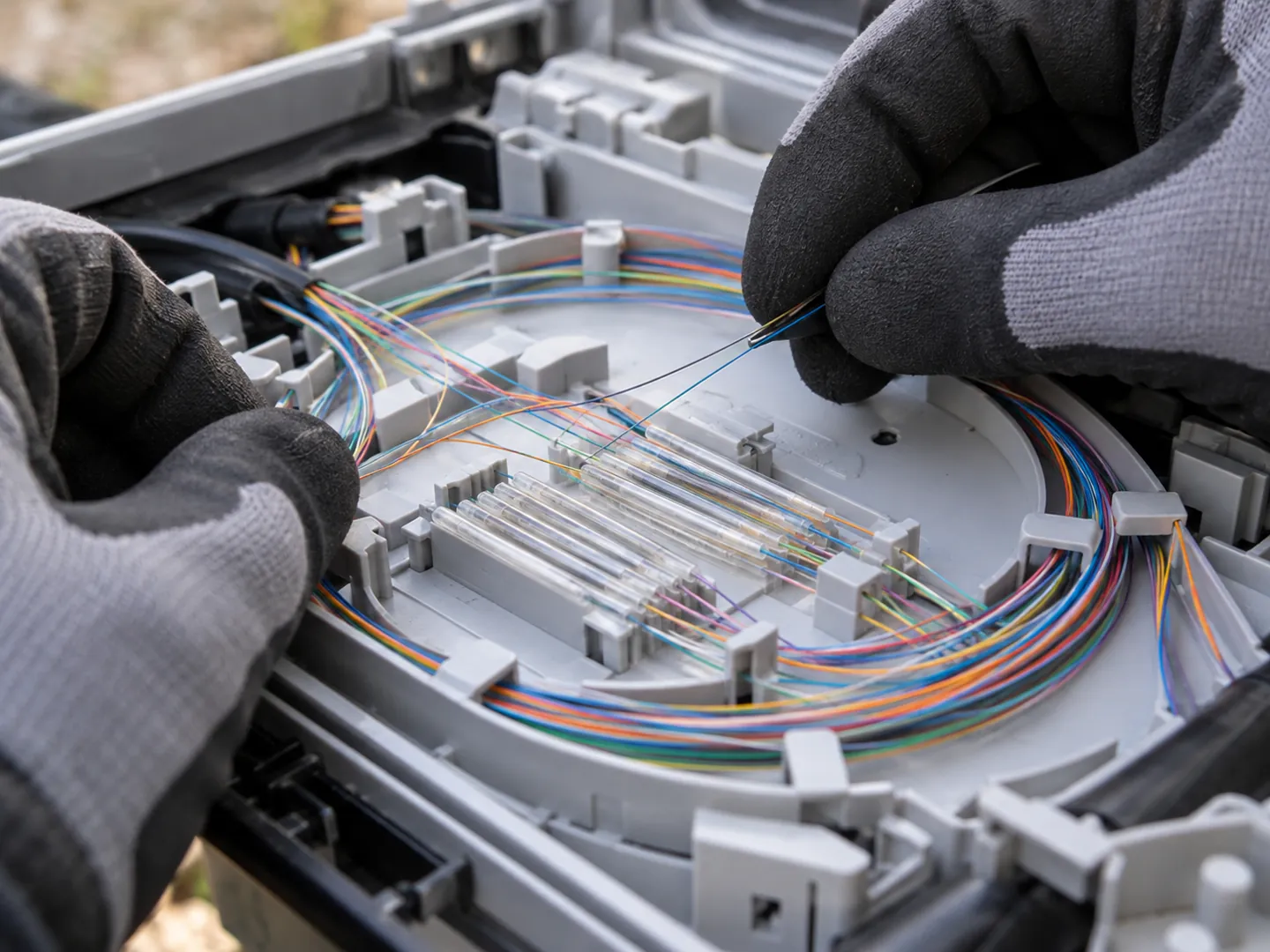
Ofcom says 'full fibre' should only describe networks with fibre-optic cable all the way from the exchange to the home.
Check your labelPART FIBRE
'Part fibre' means fibre from the exchange to the street cabinet, then usually copper wire from the cabinet to your home.
See the numbersSLOW LINE
Ofcom calls 10 Mbit/s down and 1 Mbit/s up 'decent broadband'. Homes that cannot get it may have a legal right to request an upgrade.
The right to requestA QUICK LABEL CHECK
Pick the network term on a broadband deal to see what Ofcom's guidance says it means. The bar shows how much of the route to your home is fibre.
Based on Ofcom's guidance on broadband network information (September 2024) and its universal service advice. This is general information about how networks are described.
TWO NUMBERS WORTH KNOWING
Figures from Ofcom's Connected Nations update,
a snapshot of the UK in January 2026.
82%
UK homes that can get full fibre
That is 24.9 million of the UK's 30.5 million homes, 1.2 million more than six months earlier. Gigabit-capable broadband reached 89% of homes.
FULL FIBRE · OFCOM
39,000
Premises unable to get 10 Mbit/s from a fixed line or fixed wireless
Down from 44,000 in July 2025. Counting lower-priced satellite services, Ofcom says only 4,000 premises lack affordable decent broadband.
DECENT BROADBAND · OFCOM
Availability is not the same as use: Ofcom says 12.4 million premises had taken up full fibre by January 2026, 47% of all premises where it is available.
FOUR THINGS TO LOOK FOR
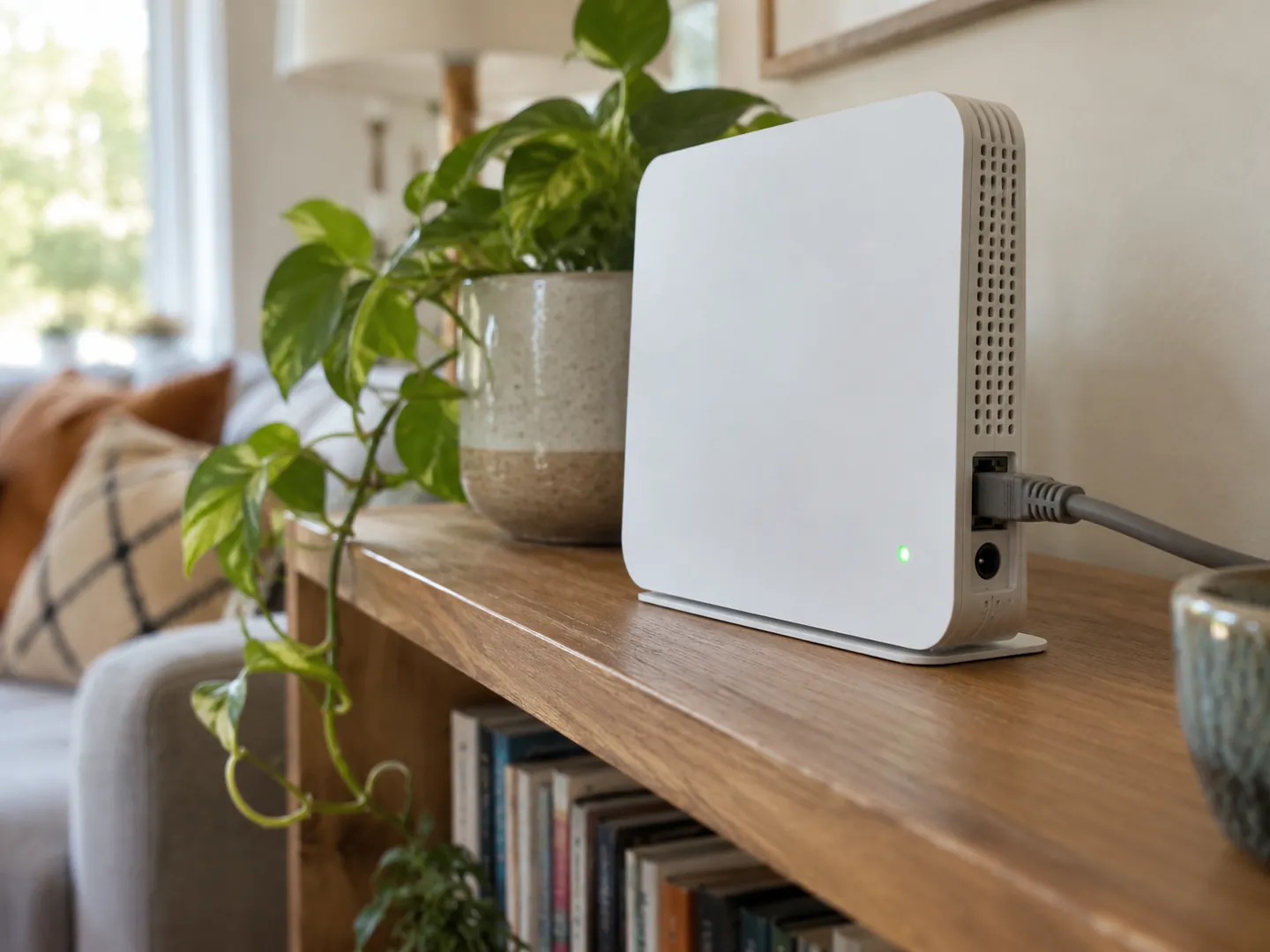
Ofcom's guidance means the key facts about a broadband deal should be in front of you before you agree to buy, whether online, in a shop or on the phone.
Look for 'full fibre', 'part fibre', 'copper' or 'cable' at the point of sale, in the contract information and in the contract summary.
Providers should no longer use the word on its own to describe the technology behind a deal.
Providers must also give a fuller, easy-to-understand explanation of what the technology means for you.
Full fibre may already reach your street: availability grew by 1.2 million homes in six months to January 2026.
THE RIGHT TO REQUEST
Since 20 March 2020, the broadband universal service has given eligible homes and businesses the legal right to request an upgraded connection if they cannot get 10 Mbit/s download and 1 Mbit/s upload. A property is eligible if it has no access to decent broadband and is not due to be connected by a publicly funded scheme within 12 months.
When the scheme launched, Ofcom said BT or KCOM would pay for connection work costing £3,400 or less, and customers could choose to pay any extra above that. Ofcom also advises checking whether a faster fixed or wireless service is already available first.
Questions
Full fibre uses fibre-optic cable all the way from the exchange to the home. Part fibre runs fibre to the street cabinet and then usually copper wire from the cabinet to the home.
Ofcom guidance in force since 16 September 2024 says providers should not use the term 'fibre' on its own to describe the underlying technology, and must give a clear term such as full fibre, part fibre, copper or cable.
Ofcom's Spring 2026 update says 24.9 million UK homes, 82% of 30.5 million, could get full fibre in January 2026. Northern Ireland had the highest availability of the four nations in Ofcom's 2025 report, at 95%.
Ofcom uses a connection with at least 10 Mbit/s download and 1 Mbit/s upload speed. In January 2026, 39,000 premises could not get that from a fixed line or fixed wireless network.
BT is responsible for universal service connections, except in the Hull area, where KCOM is the designated provider. Ofcom suggests starting with their websites to check eligibility.
ABOUT THIS NAME
doodleconnect.com is part of the DoodleSale portfolio. It isn't in an auction right now, but you can ask about leasing it.